A practical checklist after moving WordPress
Moving files and the database is only part of the job. Check links, forms, HTTPS and backups before and after switching your DNS records.
A WordPress site loading on a new server does not, by itself, mean the migration is complete. Forms, scheduled tasks, media links and caching can behave differently. Plan the move around preparation and verification as well as copying data.
Keep a backup you can restore
Back up both the files and database. Keep a copy away from the server you are moving and check that the archive can be opened. For an active store, membership site or booking service, decide how new records will be handled while the final database copy is taken.
If the old and new installations both continue accepting data, orders or user accounts can end up in separate databases. A brief maintenance window or an application-specific synchronization method may be needed.
Test the new environment before changing DNS
Check the PHP version, required extensions, database connection and file permissions. Use your host’s preview method to inspect the new installation. If you use a local hosts-file override, remember that it affects only your computer.
- Visit the homepage, category pages and individual articles.
- Sign in to the dashboard and preview a draft.
- Open an image from the media library.
- Confirm that your plugins support the new PHP version.
Verify URLs and HTTPS
Avoid unnecessary URL changes when the domain is staying the same. If the domain or protocol changes, review the WordPress Address and Site Address settings. Plain text replacements in a database can damage serialized plugin data; use a tool that understands that format and review a dry run first.
Check that the TLS certificate covers the intended hostname and that HTTP requests redirect to the correct HTTPS address. A page may load over HTTPS while still referencing old HTTP images or scripts. Look for mixed-content errors in the browser console.
Exercise forms and application features
A contact form displaying a success message does not prove that an email was delivered. Use an authorized test address to verify delivery. Confirm that SMTP, external APIs, search and scheduled tasks work on the new server.
For stores, use the payment provider’s test environment rather than creating unintended live charges. Also check that account, session and cart pages are excluded from public page caches.
Coordinate DNS and cache changes
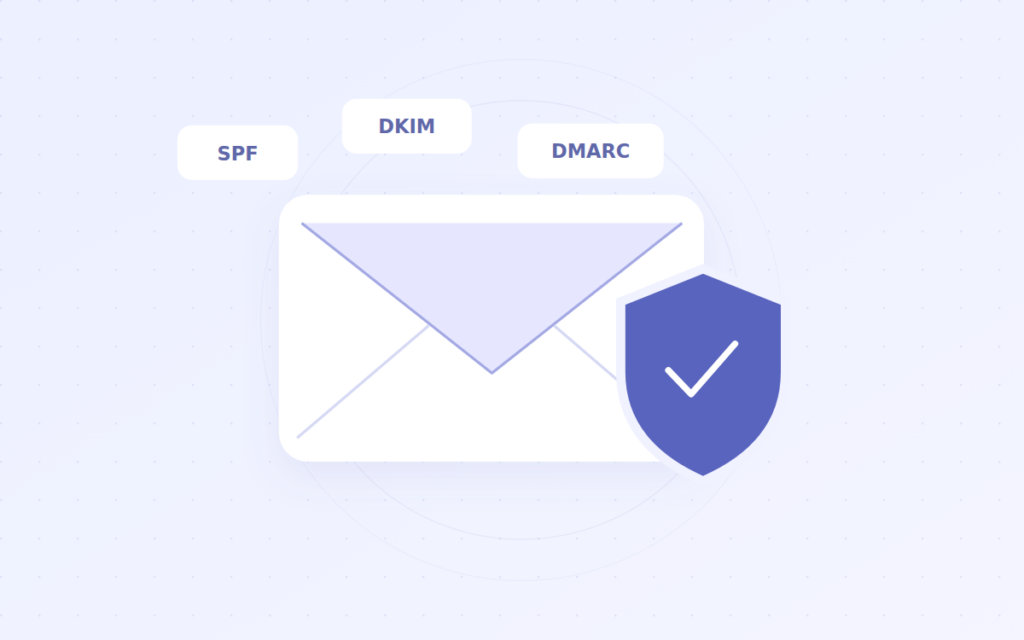
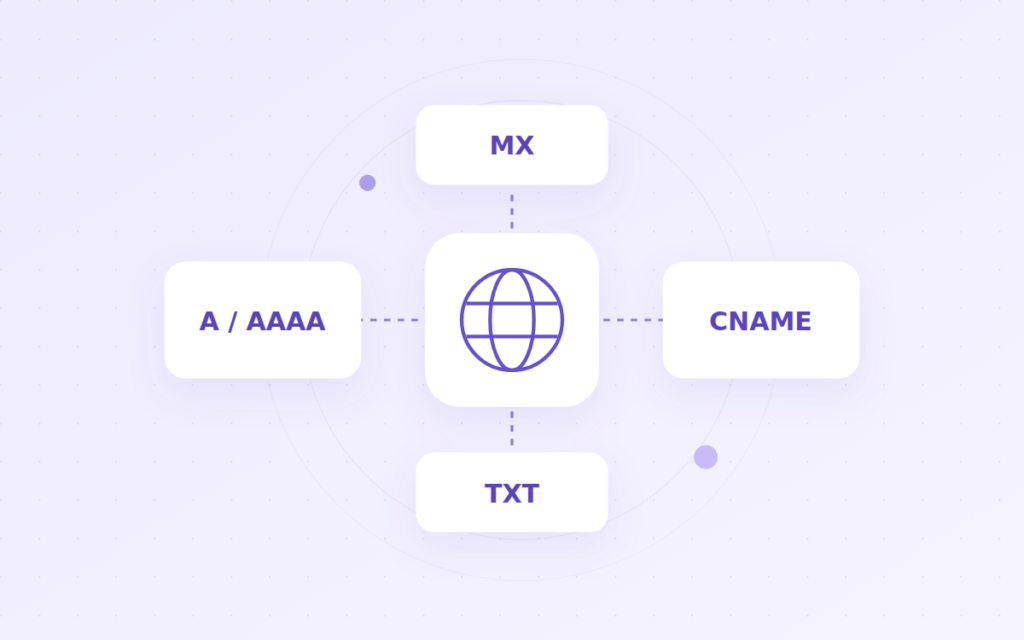
Update the relevant DNS records after you have verified the new server. Preserve MX and email authentication records if mail is staying elsewhere. Allow for the fact that some visitors may still reach the old host while cached DNS answers expire.
Clear WordPress, server and CDN caches in a controlled sequence. Check the site while signed out and then at mobile sizes. Keep the previous server available until traffic and application records indicate that the transition has completed.
Review search engine settings
Make sure a staging noindex setting or WordPress’s search-engine discouragement option has not been left enabled on the live installation. Check canonical links, sitemap addresses and individual redirects for changed URLs. Missing pages should return an actual 404 response.
Sources: the WordPress migration guide and WP-CLI search-replace documentation. Explore our WordPress hosting options for your next move.